fkaCS eNews | Term 1 2026
- fkaCS eNews
This edition highlights how children’s rights, voices and identities shape high‑quality practice. We unpack what…

In this issue, we focus on how as a sector we can strengthen our inclusive practices through a social cohesion model. We also discuss how the innovative use of your School Readiness Funding can support you in achieving bigger goals.
We highlight National Aboriginal and Torres Strait Islander Children’s Day and the resources you can consider including in your environment when engaging in this important event.
We also make a special acknowledgment to Fay Stewart-Muir, 2023 recipient of the Medal of the Order of Australia (OAM) for her invaluable contribution to the early childhood education and care sector.
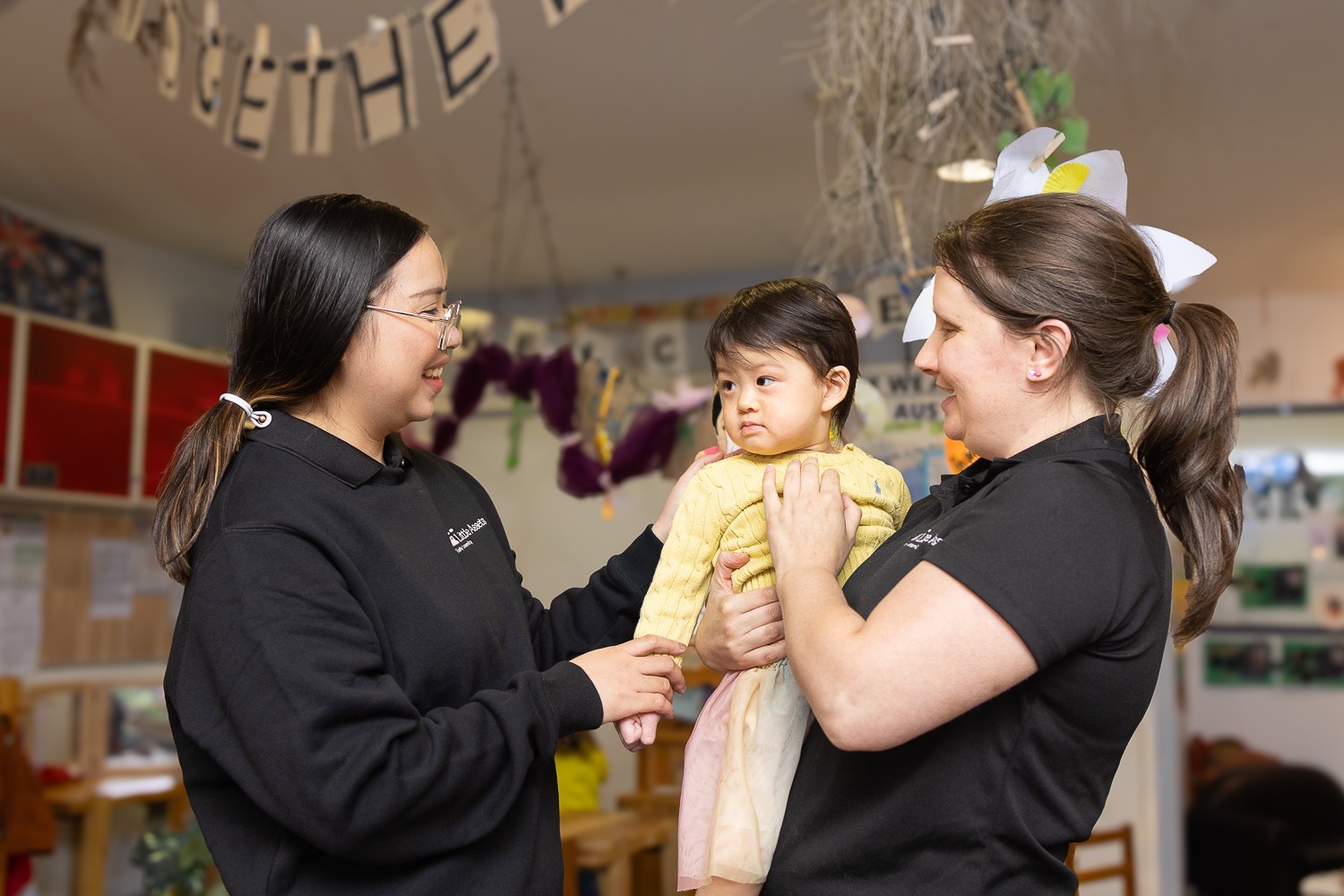
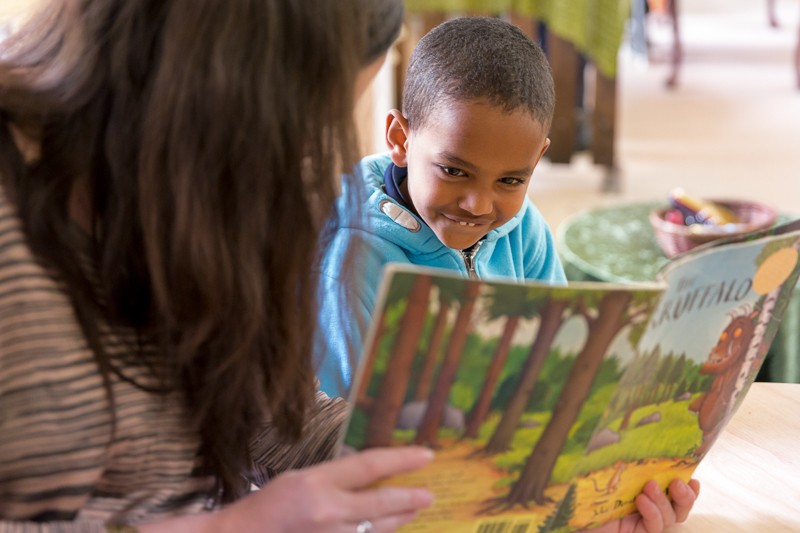
In the context of the Victorian Early Years Learning and Development Framework (VEYLDF), inclusion means recognising and valuing the diversity of all children and their families, including those from culturally and linguistically diverse backgrounds, children with disabilities, Aboriginal and Torres Strait Islander children, and children from diverse socioeconomic backgrounds. [1]
“The intent is to ensure that all children’s rights and experiences are recognised and valued, and that all children have equitable access to resources and participation, and opportunities to demonstrate their learning and to value difference.” (VEYLDF, 2016 pg.35)
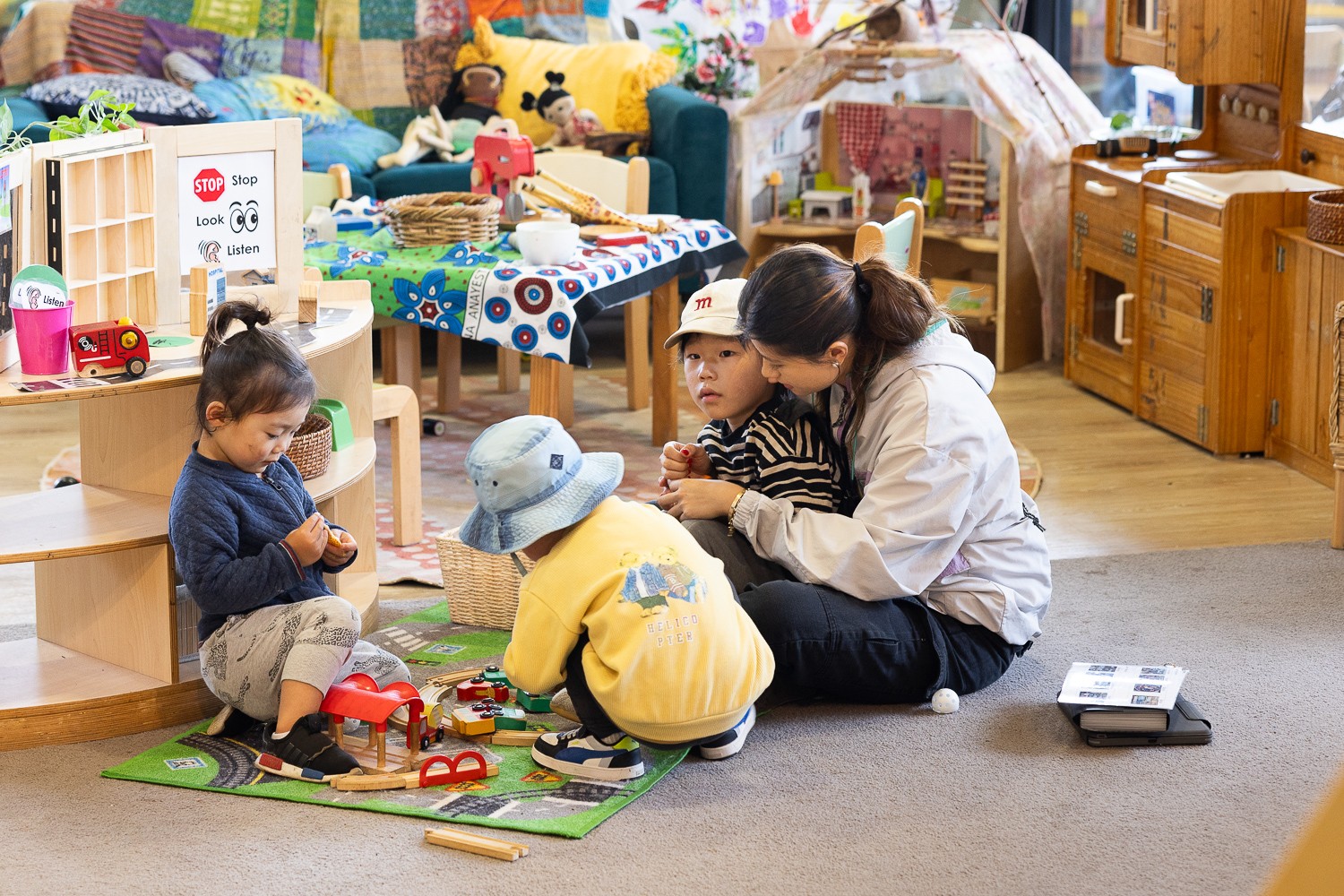
As a sector, we have dedicated significant efforts to fostering inclusion for children and families within our early year’s settings. However, we now find ourselves contemplating the essential elements required to truly reflect the value we place in active participation. This includes not only the children who engage in our spaces but also the families and wider community that collectively shape the foundations of our services. It is time to think beyond inclusion and towards social cohesion. Social cohesion is characterised by a shared understanding of common values, mutual respect, and the ability to navigate differences and conflicts with respect and in a peaceful manner. A socially cohesive society is one where individuals feel included, valued, and supported, regardless of their backgrounds, identities, or socioeconomic status. It is a society that promotes equal opportunities, social justice, and the wellbeing of all its members. [2]
“Social cohesion is all about people in a group, like a school or a community, getting along and feeling connected to each other. Think of it as the “glue” that holds everyone together. It’s about trust, shared values, and a sense of belonging.” (Mandi, 2023)
Inclusion alone does not guarantee social cohesion. It is possible to have a society where diverse individuals coexist but still experience divisions, prejudices, and a lack of social integration. Social cohesion, on the other hand, strives to create a cohesive and harmonious society where individuals actively engage with one another, regardless of their differences.
[1] (Department of Education and Training, 2016)
[2] (Scanlon Institute)